Books By Age
Choose Your Category

Most Rated
View All

Discover books handpicked by a community of parents & bookworms.





You Might Be Interested In

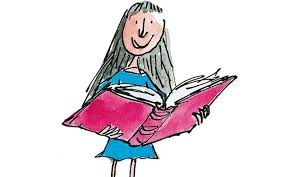
What special power does Matilda have?
Books by Genres
Book of the Season
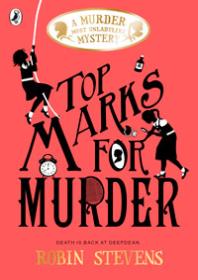
Top Marks for Murder by Robin Stevens
Fun Facts
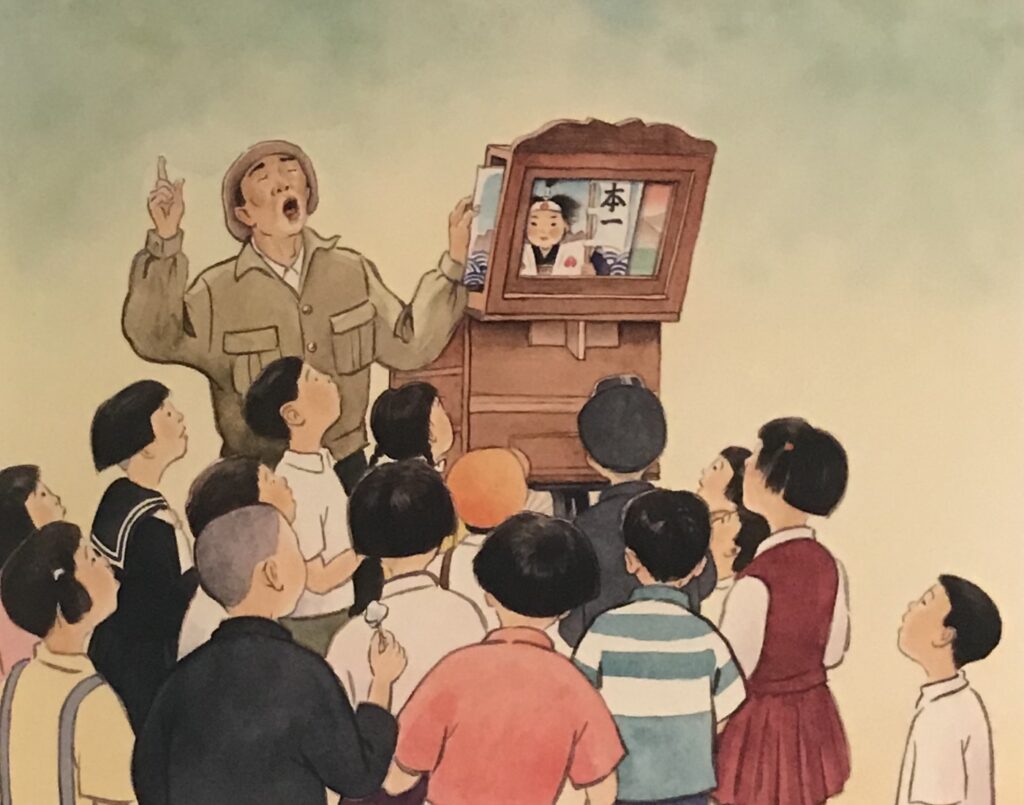
Performers of kamishibai, known as kamishibaiya, would travel from place to place on bicycles carrying a small wooden stage mounted on the back. They used a set of illustrated cards that were slid in and out of the frame as the story progressed. To attract an audience, the storyteller often struck wooden clappers called hyōshigi, creating a distinct sound that children quickly recognized and gathered around to listen. The combination of dramatic voice acting, sound effects, and vivid artwork made each performance lively and immersive. Although its popularity declined after the rise of television in the post-World War II era, kamishibai never completely disappeared. In recent decades, it has experienced a revival in schools, libraries, and cultural festivals, where it is appreciated as both an educational tool and a form of heritage art. Modern storytellers continue to adapt the format for new themes and audiences, preserving the essence of this unique blend of illustration and narration while keeping the tradition alive for future generations.